Waste and parasite exposure
Rodent urine, droppings, and saliva can contaminate surfaces and food. Rodents can carry fleas, mites, and ticks indoors. Do not sweep or vacuum dry waste, since that can put contaminated particles into the air.

Local rodent service for Chula Vista and the South Bay
Inspection • Removal • Exclusion • Cleanup
RC Chula Vista handles rodent control in Chula Vista with one plan that covers the animals, their entry points, and the mess they leave behind. Our service starts with an inspection of the roofline, attic, garage, crawlspace, and outside walls. We then plan the removal, seal reachable gaps, and explain the right cleanup steps. You receive a clear written quote before approved work begins.
Local phone supportClear inspectionNo pressure
Complete rodent service
Our rodent control services cover inspection, trapping, exclusion, and sanitation in one clear plan. We serve houses in Eastlake and Otay Ranch, older homes near Third Avenue, condos, rental properties, restaurants, offices, and warehouses across the South Bay.
Traps remove the rats or mice that are present, but trapping does not close the route into the building. A rodent inspection in Chula Vista often finds a damaged vent screen, an open roof edge, a worn garage door sweep, or a gap around a utility pipe. Rodent-resistant repairs help stop the same problem from returning.
Choose rat control for roof rats or Norway rats, mouse control for house mice, or rodent exclusion to find and close entry points after active rodents are addressed.
Our services
Choose rat control, mouse control, or rodent exclusion. Each service starts with an inspection and a plan based on the signs at your property.


Property help for Chula Vista and the South Bay
Tell us where you heard a sound, found droppings, or saw damage. A short phone call helps us plan the inspection and check the next open appointment.
What to look for
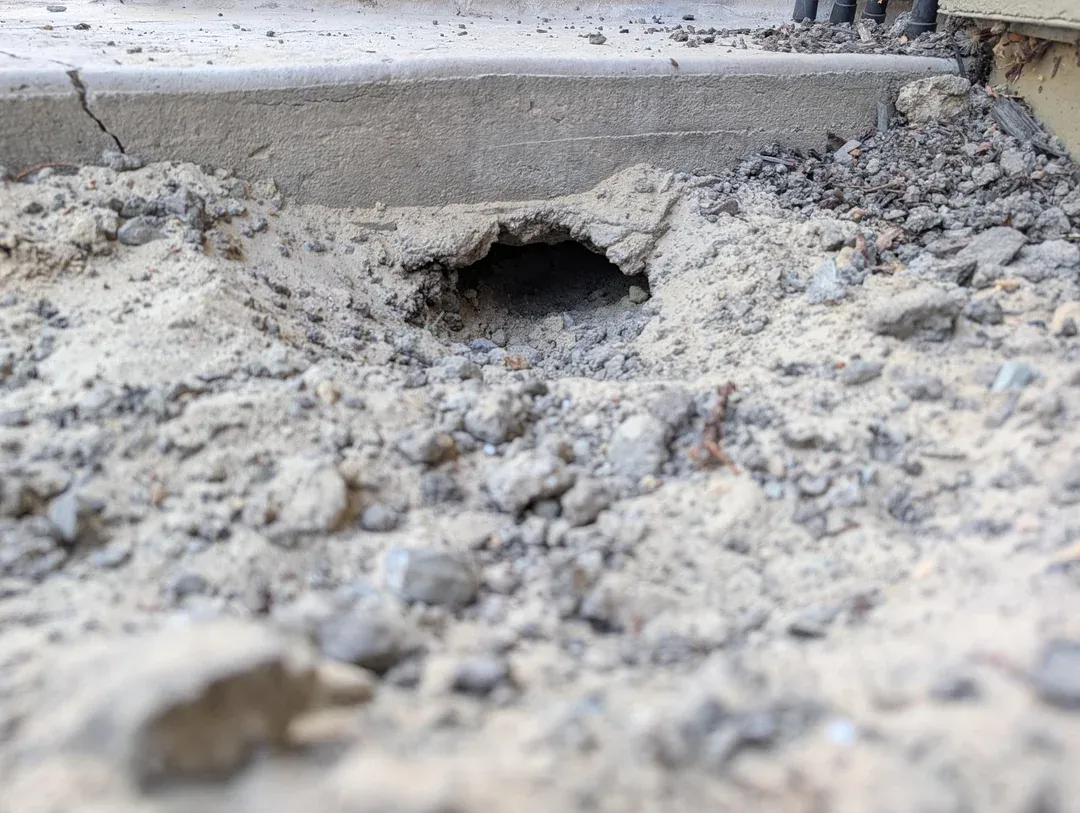
Rats and mice often stay hidden, but the evidence is easy to spot once you know what to check. Four common signs are droppings, sounds at night, gnaw marks, and strong odors.
Found one or more signs? Call (619) 373-0124
Mouse droppings are small with pointed ends, while rat droppings are larger and thicker. Fresh waste near cabinets, pantry shelves, garage walls, or attic paths points to recent activity and helps map where rodents travel.
Light scratching inside a wall can come from mice, while louder movement above the ceiling can point to rats in the attic. Note the time and place of each sound so an inspector can narrow the search.
Rodents chew wood, plastic, cardboard, food bags, and wire covers. New marks look light and rough. Check stored boxes, pantry goods, irrigation lines, and wires, then keep clear of any damaged electrical cable.
Shredded paper, fabric, or insulation can form a nest. Dark rub marks show a repeated path along a wall or beam. A sharp urine smell or a lasting decay odor calls for a close inspection.
Six entry areas
A mouse can pass through a hole about 1/4 inch (6 millimeters) wide. Rats can use other small gaps and weak building edges. These six areas deserve a close check, including spots that are hard to see from the yard.
(619) 373-0124A lower roof often meets a taller wall on two-story homes in Rancho del Rey and Eastlake. Tile, flashing, or trim can hide an open edge that gives climbing roof rats a path into the attic.
Vent screens can rust, tear, or pull away from the frame. A loose gable, turbine, or roof vent screen leaves a direct opening into the attic, even when the damage is not visible from below.
Heat and daily use can flatten or curl a garage door sweep. Check for daylight under the door and at both lower corners. Mice often enter a garage through these narrow gaps.
Water lines, gas pipes, cables, solar conduit, and dryer vents pass through outside walls. An unsealed ring around one of these lines can lead into a kitchen, garage, or laundry wall.
A soft fascia board or open soffit corner can give roof rats access above the ceiling. Expanding foam alone is easy to gnaw. A lasting repair needs a solid surface or metal barrier.
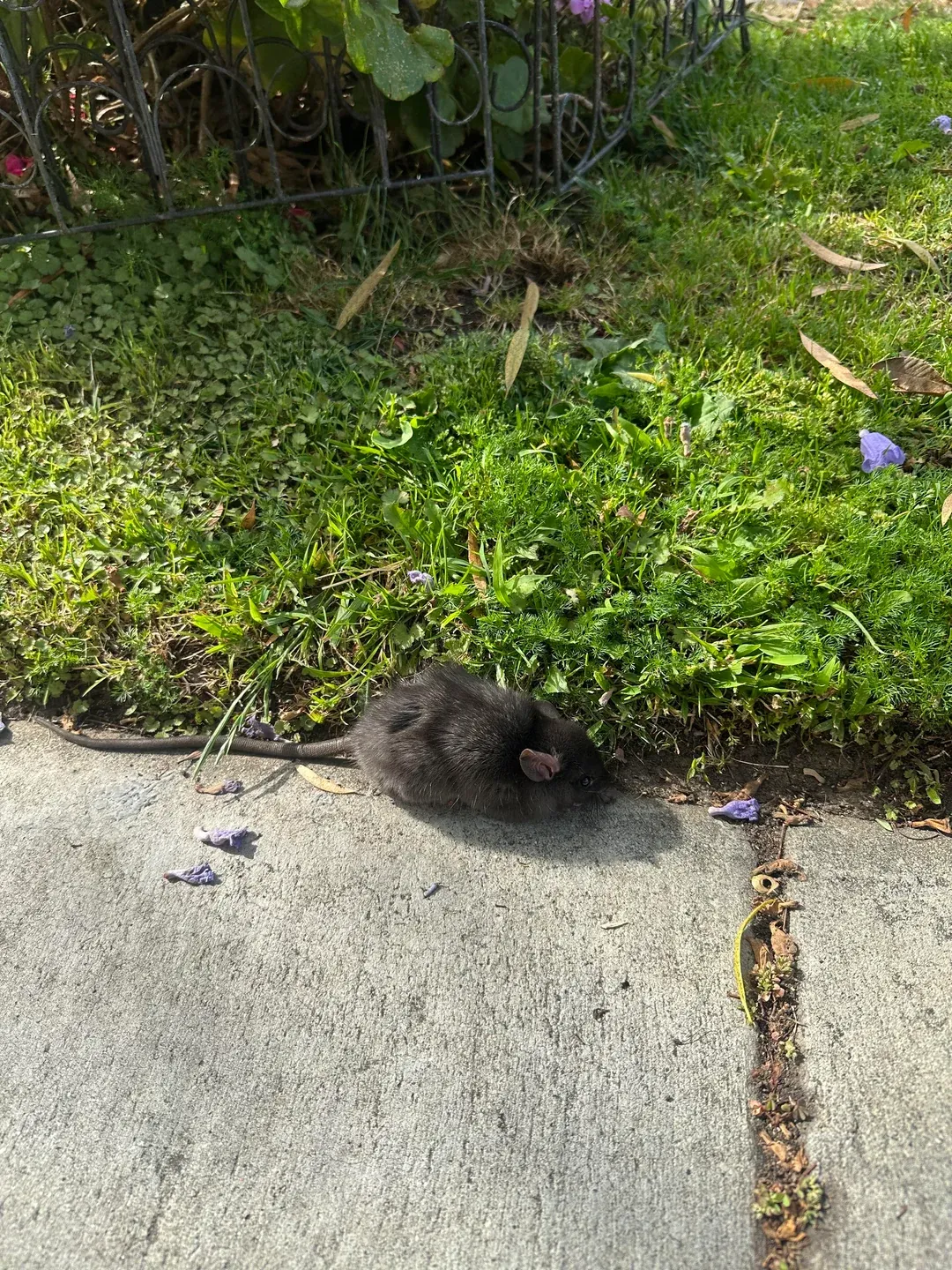
Norway rats tend to stay near the ground. Broken crawlspace screens, foundation gaps, and burrows beside a slab need a ground-level plan that differs from roof rat control.
Found a gap? Take a clear photo and call (619) 373-0124. A technician can explain whether the opening needs a closer inspection and what kind of repair may fit the surface.
Health and home concerns
Rodents can contaminate stored food, damage building materials, and breed indoors. Early action limits the area that needs removal, repair, and cleanup.
Rodent urine, droppings, and saliva can contaminate surfaces and food. Rodents can carry fleas, mites, and ticks indoors. Do not sweep or vacuum dry waste, since that can put contaminated particles into the air.
Rats and mice can chew wire covers, irrigation tubing, air ducts, boxes, and insulation. Keep away from exposed electrical wire and ask a qualified electrician to check it after the rodent activity is under control.
Food, water, and hidden nesting space let rats and mice remain inside a building. A small amount of activity can spread to more rooms when entry points and food sources stay open.
Know the species
Roof rats, Norway rats, and house mice are common structural pests in San Diego County. The species and its travel level help decide where to inspect, place traps, and seal gaps.
Roof rats are strong climbers that move through trees, vines, fences, and roof edges. They often nest in attics, soffits, and garage rafters. Fruit trees and thick plants near a building can provide food and cover.

Norway rats are larger, heavier rats that spend more time near the ground. Look for burrows beside foundations, sheds, decks, thick plants, and other low cover. Their plan starts at the yard and building base.
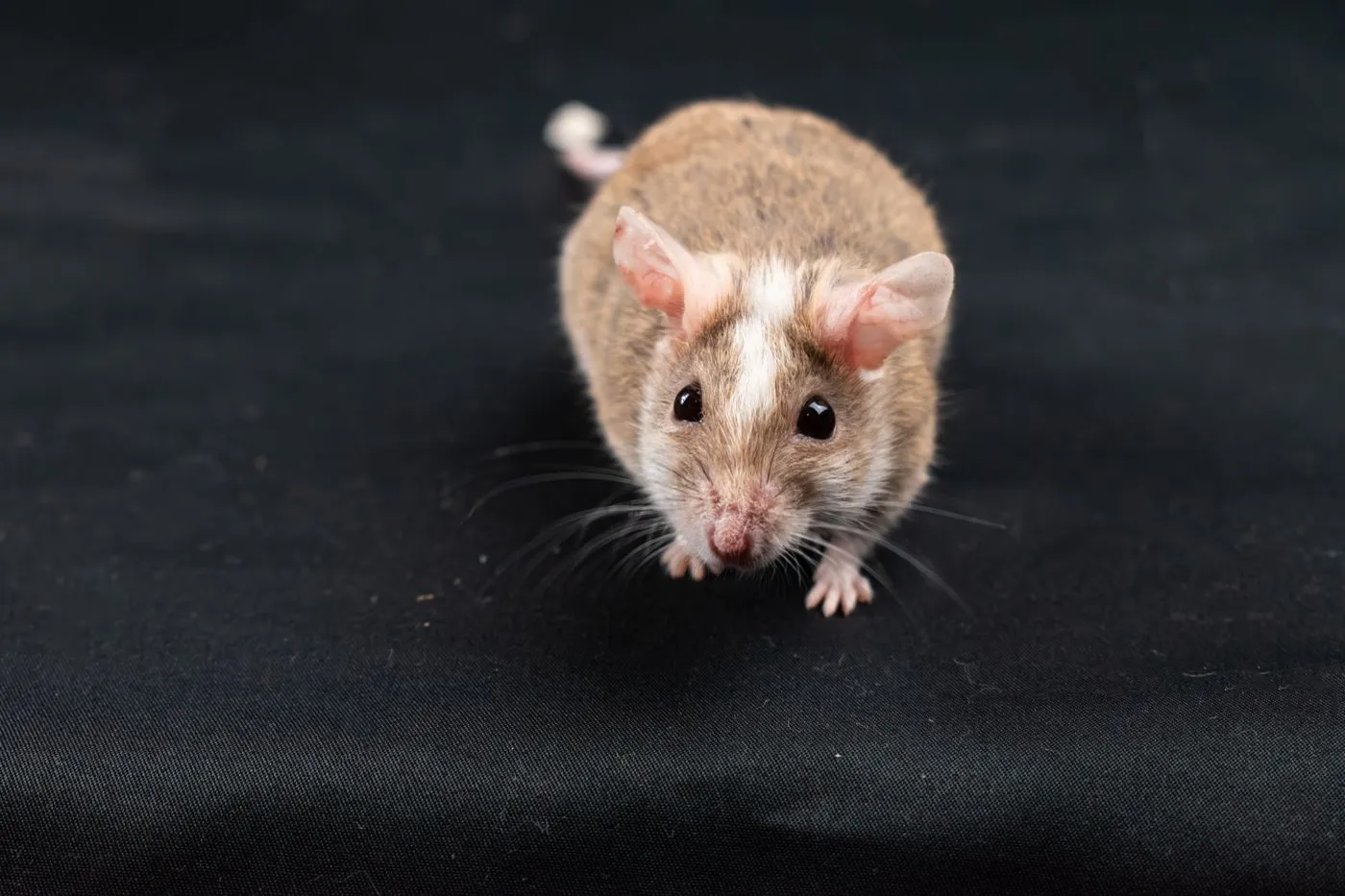
House mice can fit through a 1/4-inch (6-millimeter) opening. They often stay close to food and nesting material in kitchens, pantries, garages, storage rooms, and nearby wall spaces.
What happens next
Rodent control in Chula Vista has four main parts: inspection, removal, exclusion, and cleanup. Each step solves a different part of the infestation and supports the next step.
We identify the likely species, check active areas, document reachable entry points, and explain the findings. You receive a written quote before you approve the next step.
Traps are placed along confirmed travel paths and protected from children and pets. Follow-up checks track fresh signs and guide any needed changes in placement.
Reachable gaps at vents, pipes, roof edges, garage doors, and foundations are closed with materials selected for the surface and the size of the opening.
The final plan covers nests, droppings, odors, and damaged materials. We explain simple changes that reduce food, water, shelter, and access around the property.
Clear service standards
One plan covers the full rodent problem. The inspection connects the signs indoors with the entry points outside. The written scope then explains removal, repairs, cleanup, and prevention in plain language.
Our team works with common San Diego County building features, including tile roofs, stucco walls, slab foundations, garages, attics, and older crawlspaces.
Trapping and physical exclusion are key parts of the plan. Any bait use must follow the product label and use the right tamper-resistant station for the location.
The quote lists the planned work before service begins. You can see which entry points, removal steps, cleanup tasks, and optional repairs are included.
Plans are available for houses, rentals, offices, restaurants, storage areas, and other commercial spaces. Service timing is based on the property and its rodent signs.
Talk through the signs at a Chula Vista property
Local service | Open appointments | Written quote
Service visit examples
These composite examples show how evidence in and around a Chula Vista property can guide inspection, removal, repair, and prevention. They are learning examples, not customer reviews.
Composite examples for common property signs
Illustrative only, not customer reviews
Night sounds near a roof edge lead the assessment toward attic routes, roof gaps, nearby branches, and insulation trails. The findings decide whether monitoring, removal, or repair comes first.
Small droppings below a sink call for a close check of pipe openings, cabinet corners, appliance gaps, and food storage. A mouse-sized opening may matter even when the room looks sealed.
Signs near a receiving door connect the indoor check with delivery timing, stock storage, waste handling, and the door sweep. The plan should support daily operations as well as removal.
A strong odor in one hallway does not confirm the exact source. The useful next step is to compare airflow, staining, insect activity, wall access, and nearby rodent signs before opening a surface.
Burrows beside a shed can connect with fallen fruit, pet food, water, dense cover, and a worn garage corner. Looking at the whole route helps separate an outdoor issue from building entry.
Repeated trap misses often mean placement does not match the travel path. Grease marks, droppings, shadowed edges, and overhead routes help show where monitoring devices can provide better evidence.
Compare the work
A single mouse that entered an open garage can be a reasonable DIY job. Place several snap traps along walls where children and pets cannot reach them. Move pet food and grass seed into hard containers, then replace the worn door sweep. Keep checking for new signs after catches stop.
Call a professional for attic sounds, droppings in several rooms, activity that returns after trapping, or openings high on the roof. These problems call for inspection, removal, structural exclusion, and safe cleanup as one connected job.
| Service step | Do-it-yourself approach | RC Chula Vista |
|---|---|---|
| Finding entry points | A ground check can miss openings at roofs, soffits, and crawlspaces | The inspection follows signs through the roofline, attic, garage, crawlspace, and outside walls |
| Trap placement | Traps work only when the type, location, and direction fit the rodent path | Placement follows fresh evidence and changes when the activity moves |
| Sealing the building | Foam, plastic screen, and loose filler can be chewed or pulled out | Metal mesh, sheet metal, mortar, and other solid materials match the opening |
| Cleaning contamination | Dry sweeping or vacuuming can put contaminated particles into the air | Waste is wetted with disinfectant before removal, with added care for heavy infestations |
| Long-term cost | Repeat purchases add up when the main entry point stays open | A written scope separates removal, repairs, cleanup, and optional work |
Simple prevention steps
Rodent prevention in Chula Vista focuses on four needs: food, water, shelter, and access. These six steps make a property less useful to rats and mice.
Roof rats use palm fronds, vines, fences, and branches as travel paths. Keep tree and shrub growth at least 2 feet (0.6 meters) from the building where safe pruning allows it.
Pick ripe citrus, avocado, and loquat fruit, then clear fallen fruit from the ground. Store bird seed, pet food, and grass seed in tight metal or hard plastic containers.
Check around hose bibs, pipes, cables, solar conduit, dryer vents, doors, and wall joints. Seal any opening about the width of a pencil with a material suited to that surface.
Fit damaged gable, roof, and crawlspace vents with 1/4-inch metal mesh secured to a solid frame. Check screens for rust, tears, and loose corners during routine home care.
Repair dripping hose bibs, broken drip lines, and other outdoor leaks. Empty plant saucers and bring pet water bowls inside at night when practical.
Raise stored items off garage floors, replace weak cardboard boxes, thin thick ground cover, and keep a clear strip beside outside walls. Open space makes fresh signs easier to find.
Check these prevention steps against guidance from the San Diego County Vector Control program, the Centers for Disease Control and Prevention (CDC) sealing guide, and the United States Environmental Protection Agency (EPA) bait safety guide.
South Bay service area
We serve Chula Vista ZIP codes 91910, 91911, 91913, 91914, 91915. Local coverage runs from Third Avenue Village and Castle Park to Terra Nova, Rancho del Rey, Otay Ranch, and Eastlake. Service reaches 5 nearby communities: National City, Bonita, Imperial Beach, Otay Mesa, Spring Valley. Tell us the property type and neighborhood so we can plan the right inspection.
RC Chula Vista
333 H Street, Suite 5000, Chula Vista, CA 91910
Monday to Friday: 7:00 AM to 7:00 PM
Five clear answers
Call (619) 373-0124 for a direct answer about the signs at your property. You can ask a question without booking a service.
Rodent control cost in Chula Vista depends on four main items: the species, the size of the active area, the number of entry points, and the cleanup or repair work. A garage mouse problem costs less than roof rats spread through an attic. An inspection gives you a written price for the work your property needs.
Many rat or mouse control plans need more than one visit. The timing depends on the species, the size of the infestation, and how quickly fresh signs stop. Exclusion can begin once monitoring shows the building is clear enough to seal without trapping animals inside.
Yes, rodent control can be planned around pets and children. Traps and bait stations must stay where children and pets cannot reach them. Any rodenticide must remain in the correct tamper-resistant station and follow its label. Your service plan should explain every device used on the property.
Call (619) 373-0124 during the listed hours to check the current schedule. Tell us whether activity is in a living area, an odor is getting stronger, or wire may be damaged. Those details help the team understand the concern before choosing the next useful step.
Ultrasonic devices do not provide dependable house mouse control, and scent products do not close an entry point. Store-bought snap traps can catch rats or mice when the right trap is placed on an active path. Long-term control still requires food control, removal, and rodent-resistant sealing.
Local inspection | Written quote
Call (619) 373-0124 or send an online request. A local technician will inspect the property, explain the rodent signs, review reachable entry points, and prepare a written quote before you approve the work.