01
Roof rat and Norway rat comparison
Body shape, dropping size, travel level, burrows, tracks, and nest position help guide identification.

Roof routes | Ground burrows | Attic signs
Roof Rat Service · Norway Rat Control · Attic Rat Removal
Rat control begins by deciding whether the evidence points high or low. Roof rats climb into attics, while Norway rats use ground cover and burrows. That difference changes the inspection and trap plan.
Local schedulingProperty assessmentWritten service scope
4
Core stages
inspect, remove, seal, clean
1
Written scope
for the approved property work
Local
South Bay service
homes and businesses
What the service addresses
Rat control in Chula Vista depends on species and travel level. A roof rat can cross fences, vines, branches, and roof edges before entering an attic. A Norway rat is more likely to leave burrows, tracks, or damage near a slab, shed, deck, drain, or low wall opening.
How the plan responds
Included work
Your rat control assessment leads to a written scope that lists core tasks, optional items, and property access needs before work is approved.
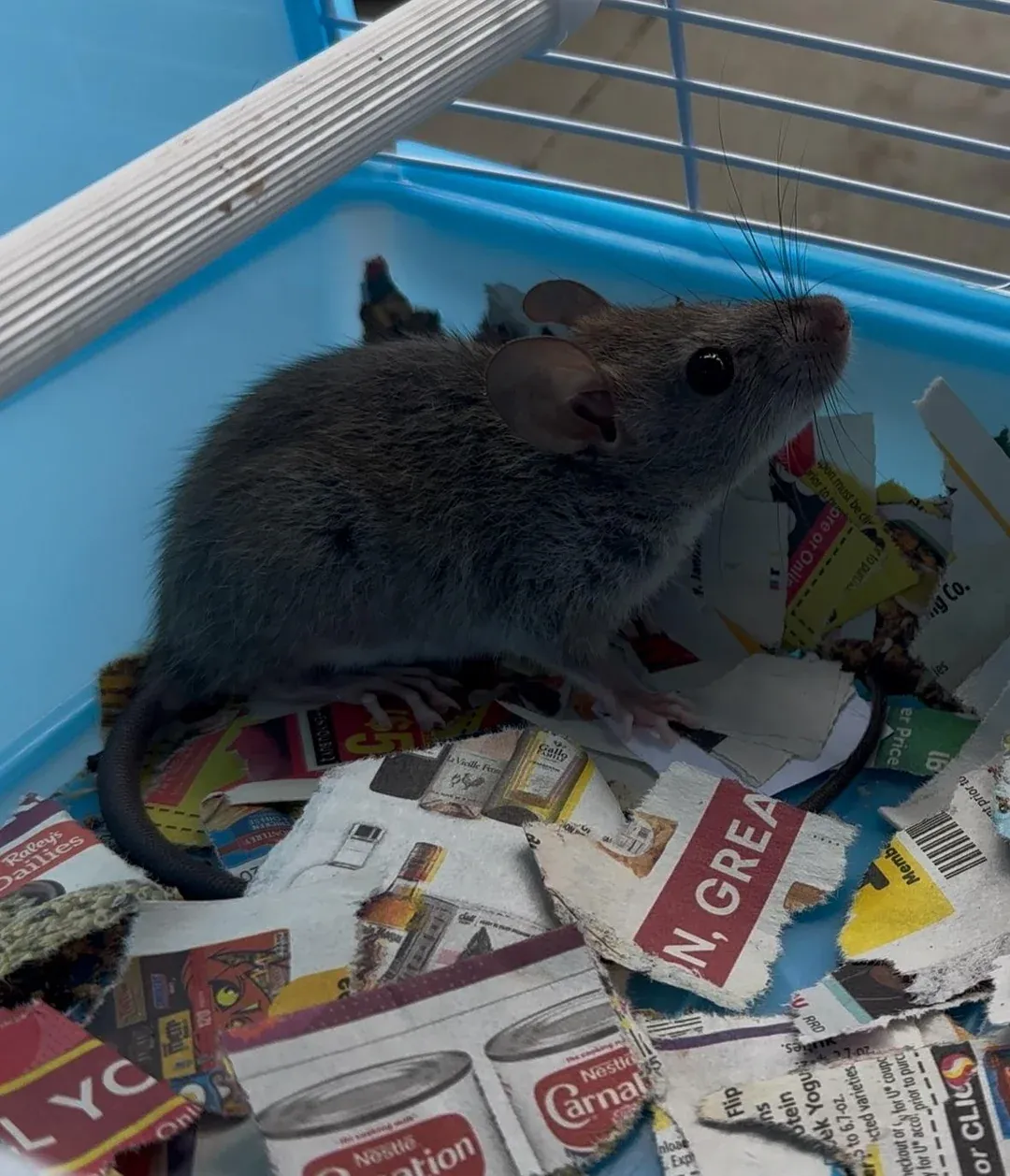
Body shape, dropping size, travel level, burrows, tracks, and nest position help guide identification.
Safe, reachable vents, roof joints, soffits, fascia, eaves, and overhead routes are checked for roof rat access.
Slab edges, decks, sheds, ground cover, drainage routes, and crawlspace openings are checked for Norway rat signs.
Trap type, anchoring, direction, cover, and follow-up timing are selected for the identified travel path.
Approved openings are matched with metal, mesh, mortar, flashing, or a building repair that fits the surface.
The plan can address waste, nests, fruit, seed, pet food, trash, leaks, and dense cover near the structure.
Available service paths
Each option supports a different part of the property plan, from current activity and structural access to sanitation and future monitoring.
Devices follow safe attic runways and upper routes linked to droppings, rub marks, and night sounds.
Ground signs guide work around burrows, walls, sheds, decks, drains, and low structural openings.
Roof, vent, soffit, pipe, door, crawlspace, and foundation gaps are listed for approved exclusion work.
Waste, nests, odors, damaged ducts, and affected insulation are assessed after active routes are mapped.
Fruit, seed, water, trash, vines, palm growth, and covered ground areas are reviewed for practical changes.
Receiving doors, waste areas, stock rooms, kitchens, and utility spaces can use documented routine checks.
Evidence to report
Record the room, time, and exact location of each sign. Those details help connect indoor evidence with the travel route and building area that needs inspection.
(619) 373-0124 Upper-level noise, droppings on beams, and rub marks near rafters point toward a climbing roof rat route.
A used burrow can have a clear opening, worn path, or recently moved soil near low cover.
Repeated body contact can leave oily rub marks along a narrow route used night after night.
The height and location of damage help show whether rats are feeding above ground or near a low hiding area.
Rat droppings are larger than house mouse waste. Shape and placement offer clues, but identification should use several signs.
Service sequence
These four stages give the work a clear order while leaving room for species, access, and building conditions to change the details.
We compare upper signs, ground signs, dropping features, damage, and outdoor conditions.
Secured devices are placed where the identified rat already moves between food, water, cover, and shelter.
Approved high or low openings are closed in an order that supports removal and avoids trapping rats inside.
Yard and storage changes lower the outside pressure that keeps rats close to the building.
Property help for Chula Vista and the South Bay
Tell us whether the strongest sign is high or near the ground. That detail helps prepare the right roof rat or Norway rat inspection.
How the work is organized
A useful plan explains what each task is meant to fix. Inspection findings guide removal, access repairs, sanitation, and monitoring so the property receives connected steps instead of unrelated visits.
Roof rat evidence does not receive a ground-only plan, and Norway rat burrows do not receive an attic-only plan.
Placement begins with evidence instead of expecting a cautious rat to search for a new object.
Upper roof details and lower foundation features receive different materials and inspection methods.
Traps and any bait stations are placed with children, pets, hawks, owls, and other non-target animals in mind.
Waste and nest work is planned after the active route is understood and current rat pressure is reduced.
Fruit trees, palms, vines, canyon edges, drains, and dense ground cover can shape the property plan.
Discuss the signs at your Chula Vista property
Local scheduling · Clear findings · Written scope
Chula Vista property context
Roof rats are skilled climbers. They can move through fruit trees, palm growth, vines, fences, block walls, and roof edges. In a building, they often use attics, soffits, garage rafters, and upper wall spaces. The County of San Diego lists roof rats as agile climbers that favor warm, dry areas above the ground.
An upper-level plan should check both the attic evidence and the route outside. A torn vent screen matters more when a rub mark or runway leads toward it. A branch over the roof matters more when fruit damage and attic sounds occur on the same side of the house.
Norway rats are larger rats that tend to burrow and travel near the ground. Look beside slabs, under sheds, near decks, around thick plants, and along drainage edges. A burrow needs more than a quick glance. Fresh soil, worn paths, droppings, and nearby food help show whether the opening is active.
Ground control must include the yard and the building base. Closing a crawlspace screen will not solve a trash or seed source beside an active burrow. Yard cleanup alone will not remove rats that already entered a garage or wall.
Rats can avoid unfamiliar objects. The University of California Integrated Pest Management rat guide notes that rats may take time to enter a bait station and that roof rats may avoid stations even when they sit on established runways. That behavior makes species identification and placement matter.
Secure traps so a rat cannot drag them away. Keep devices out of reach of children and pets. Do not place a trap on an exposed route used by people. Check devices as directed and adjust only when new evidence shows that the active path has changed.
The United States Environmental Protection Agency rodenticide guide tells users to keep bait in the supplied station, follow the label, and place products where children and pets cannot reach them. The agency warns that wildlife and pets can be poisoned by eating a poisoned rodent.
Prompt carcass removal reduces that secondary risk. Exterior bait should be one monitored tool, not a replacement for sanitation, trapping, and exclusion. Never move a pesticide away from its labeled station or use it in a place the label does not allow.
Fruit trees and mature plants west of Interstate 805 can support climbing routes and food. Homes near open land in Eastlake and Otay Ranch can face steady outdoor pressure. Drains, alleys, waste areas, sheds, and dense low cover can support Norway rat movement in many neighborhoods.
The County of San Diego rodent guide describes roof rats, Norway rats, house mice, and the signs linked to each. Local control works best when that species knowledge is combined with the exact building and yard evidence at the property.
Property examples
These sample property situations show how inspection findings can lead to different removal, repair, cleanup, and monitoring plans.
Composite examples for common property signs
Illustrative only, not customer reviews
Night sounds near a roof edge lead the assessment toward attic routes, roof gaps, nearby branches, and insulation trails. The findings decide whether monitoring, removal, or repair comes first.
Small droppings below a sink call for a close check of pipe openings, cabinet corners, appliance gaps, and food storage. A mouse-sized opening may matter even when the room looks sealed.
Signs near a receiving door connect the indoor check with delivery timing, stock storage, waste handling, and the door sweep. The plan should support daily operations as well as removal.
A strong odor in one hallway does not confirm the exact source. The useful next step is to compare airflow, staining, insect activity, wall access, and nearby rodent signs before opening a surface.
Burrows beside a shed can connect with fallen fruit, pet food, water, dense cover, and a worn garage corner. Looking at the whole route helps separate an outdoor issue from building entry.
Repeated trap misses often mean placement does not match the travel path. Grease marks, droppings, shadowed edges, and overhead routes help show where monitoring devices can provide better evidence.
Listed coverage area
Rat Control is available across Chula Vista ZIP codes 91910, 91911, 91913, 91914, 91915 and nearby South Bay communities. Share the neighborhood, building type, and strongest sign so the assessment can account for local construction and outdoor conditions.
Rat Control
333 H Street, Suite 5000, Chula Vista, CA 91910
Monday to Friday: 7:00 AM to 7:00 PM
Property owner questions
Call (619) 373-0124 to describe the evidence and property area. A short conversation can clarify which service page and assessment type best fit the concern.
Roof rats are slimmer climbers linked to attics, trees, fences, and upper openings. Norway rats are heavier ground animals linked to burrows, sheds, decks, drains, and low access. Use several clues, not one sign alone.
Trap placement belongs on the active route. Roof rat traps may need secure upper placements, while Norway rat traps often work near ground travel. Keep every device away from children and pets.
Rodenticide can harm target and non-target animals when misused. Follow the label, use required tamper-resistant stations, and remove carcasses quickly to reduce risk to pets and wildlife.
Trimming can break some travel paths and reduce cover, but it does not remove rats already inside or repair building gaps. Plant work supports a complete trapping and exclusion plan.
Rats are mainly active after dark, when a quiet building makes movement easier to hear. The time and location of the sound can help map the route, but an inspection is needed to confirm the animal.
Local assessment | Written scope
Share whether you found attic sounds, fruit damage, rub marks, large droppings, or ground burrows. The inspection can identify the likely rat and build a plan around its actual path.