01
Indoor evidence review
New droppings, sounds, rub marks, nesting material, food damage, and trap activity show where the search should begin.

Entry inspection | Gap repair | Prevention
Rat and Mouse Proofing · Rodent Entry-Point Repair · Home Rodent Prevention
Rodent exclusion makes a building harder for rats and mice to enter. The work starts with evidence, follows likely travel routes, and matches each opening with a repair that fits the surface.
Local schedulingProperty assessmentWritten service scope
4
Core stages
inspect, remove, seal, clean
1
Written scope
for the approved property work
Local
South Bay service
homes and businesses
What the service addresses
Rodent exclusion in Chula Vista is more than filling the first hole you see. A useful inspection connects droppings, rub marks, gnawing, tracks, and night sounds with openings on the outside of the building. This helps separate an active entry route from an old crack that is not linked to the problem.
How the plan responds
Included work
Your rodent exclusion assessment leads to a written scope that lists core tasks, optional items, and property access needs before work is approved.
New droppings, sounds, rub marks, nesting material, food damage, and trap activity show where the search should begin.
Doors, vents, pipes, wall joints, foundation edges, roof details, garages, and crawlspace openings are checked.
Confirmed and possible openings are listed by location so the repair scope is easy to understand and review.
Each repair is matched with metal mesh, sheet metal, mortar, flashing, a door part, or another suitable barrier.
The plan separates openings that can close now from active routes that need removal and monitoring first.
Food, water, plants, stored items, and outdoor shelter are reviewed because these conditions draw rodents close.
Available service paths
Each option supports a different part of the property plan, from current activity and structural access to sanitation and future monitoring.
Door sweeps, lower corners, side seals, wall joints, and utility lines are checked for rat or mouse access.
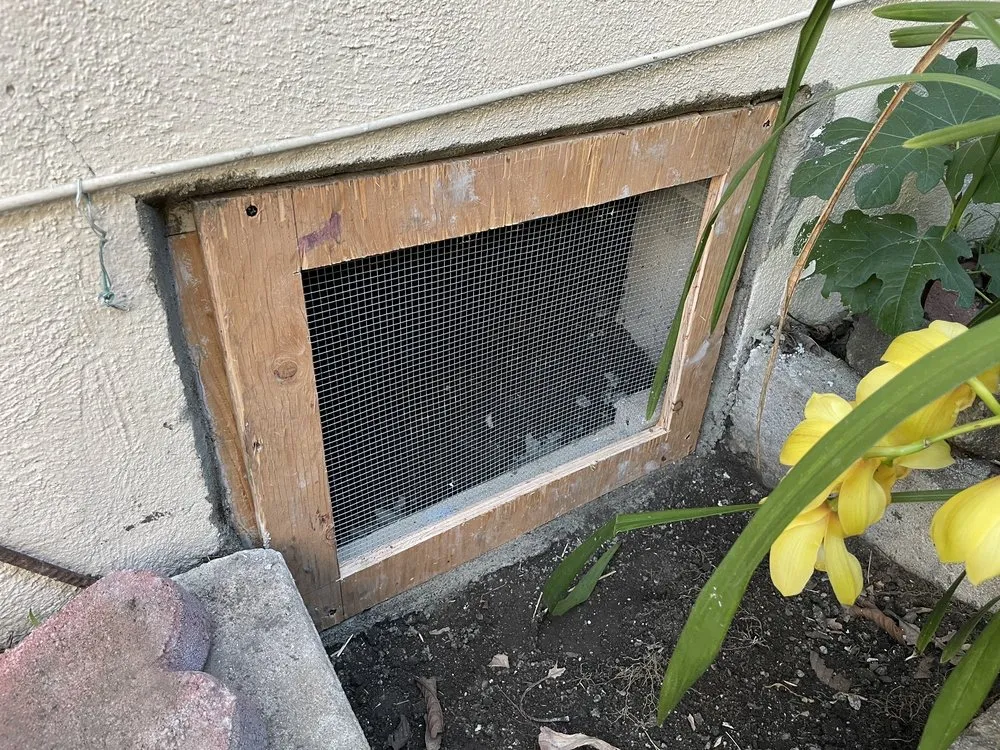
Damaged or loose screens are listed for a secured repair that allows needed airflow while blocking rodents.
Utility openings receive a hard barrier and weather seal that fit the line and nearby wall material.
Reachable eaves, soffits, fascia, vents, and roof joints are compared with upper-level rat evidence.
Cracks, slab joints, siding edges, and low wall gaps are checked for ground-level travel into the building.
Completed work is reviewed for movement, weathering, loose edges, and any fresh signs near the repair.
Evidence to report
Record the room, time, and exact location of each sign. Those details help connect indoor evidence with the travel route and building area that needs inspection.
(619) 373-0124 Fresh waste near a pipe, cabinet void, door corner, or vent can identify a route used between hidden and open spaces.
Repeated body contact can leave a dark line on pipes, beams, wall corners, and small openings.
Fresh tooth marks or small pieces of damaged material can show that a rodent is making an opening easier to use.
A visible line of light can reveal space under a door, while open corners may be wider than the center.
Repeated sounds near a roof corner, garage wall, or lower cabinet can help connect an indoor route to the outside.
Service sequence
These four stages give the work a clear order while leaving room for species, access, and building conditions to change the details.
We start with the newest signs and identify the room, wall, floor, or roof level where activity is strongest.
The reachable outside surfaces that connect to those signs are checked for gaps, damage, and rodent travel.
Approved openings are closed in an order that supports active control and avoids sealing rodents inside.
Repairs and nearby monitoring points are checked again, while food, water, and shelter conditions are reduced.
Property help for Chula Vista and the South Bay
Tell us where you found the newest sign and whether it is high or near the ground. That detail helps focus the inspection on the most likely route.
How the work is organized
A useful plan explains what each task is meant to fix. Inspection findings guide removal, access repairs, sanitation, and monitoring so the property receives connected steps instead of unrelated visits.
The plan gives priority to openings that match real indoor and outdoor signs instead of treating every crack the same.
A door, vent, pipe ring, roof joint, and foundation gap each need a repair designed for that location.
Repair timing stays connected to trapping and monitoring so rats or mice are not knowingly sealed inside.
Indoor evidence, outdoor access, food, water, and shelter are treated as connected parts of the same problem.
Locations and recommended materials are described in plain English before approved work begins.
New waste, sounds, tracks, or gnawing can show whether another opening or repair edge needs attention.
Discuss the signs at your Chula Vista property
Local scheduling · Clear findings · Written scope
Chula Vista property context
Rats and mice do not need a wide, open doorway. A mouse can use a hole about the width of a pencil. Rats need more space, but damaged vents, door corners, roof joints, and utility gaps can still give them a path inside. The CDC guide to sealing rodent entry points recommends checking both the inside and outside of a building.
Begin with the newest evidence. Droppings under a sink may connect to a pipe opening. Scratching above one room may connect to a vent, soffit, or roof edge. Food damage in a garage may connect to a worn lower door corner. This evidence helps focus the repair list on openings that are likely to matter.
A loose piece of filler is not the same as a secured repair. Small gaps may use corrosion-resistant metal mesh with a suitable seal around it. Larger holes may require hardware cloth, sheet metal, mortar, flashing, or a new building part. Door gaps often need a fitted sweep or seal. Vent work should block rodents without stopping required airflow.
The EPA pest entry prevention bulletin recommends durable metal materials for many penetrations and notes that rodents can chew through products such as spray foam, wood, and some plastic. The repair must also handle weather, movement, and normal building use.
Roof rats can reach a building through trees, vines, fences, roof edges, and utility lines. An upper inspection may include safe, reachable soffits, fascia, vents, eaves, roof returns, and attic edges. Norway rats are more likely to use ground cover, slab edges, crawlspaces, sheds, drains, and low wall openings. House mice often use small door, pipe, cable, and cabinet gaps close to food.
The University of California Integrated Pest Management rat guide describes structural exclusion as rodent proofing. It recommends checking foundations and openings around pipes, wires, drains, vents, doors, and roof areas. The likely species and travel level should decide where the inspection starts.
A sealed opening protects the building, but rodents may keep searching when food, water, and cover remain close to the wall. Keep trash lids closed. Store pet food, bird seed, and dry goods in hard containers. Pick up fallen fruit. Repair leaks. Thin dense plants where practical, and move clutter away from the building edge.
The EPA rodent prevention guide advises people to remove food, water, and shelter as well as seal entry points. These steps reduce pressure around the property and make new evidence easier to notice.
Older homes may have crawlspace vents, wood fascia, or utility openings that changed over time. Newer homes in Eastlake, Otay Ranch, Rancho del Rey, and Sunbow may have attached garages, stucco joints, tile roof details, and lines for solar or air conditioning equipment. Shops and multi-unit buildings can add loading doors, shared walls, plumbing chases, and common waste areas.
No single repair list fits every property. A useful plan records the exact opening, the evidence linked to it, the material that fits, and the right time to complete the work. That makes the scope easier to understand and the finished repairs easier to check.
Property examples
These sample property situations show how inspection findings can lead to different removal, repair, cleanup, and monitoring plans.
Composite examples for common property signs
Illustrative only, not customer reviews
Night sounds near a roof edge lead the assessment toward attic routes, roof gaps, nearby branches, and insulation trails. The findings decide whether monitoring, removal, or repair comes first.
Small droppings below a sink call for a close check of pipe openings, cabinet corners, appliance gaps, and food storage. A mouse-sized opening may matter even when the room looks sealed.
Signs near a receiving door connect the indoor check with delivery timing, stock storage, waste handling, and the door sweep. The plan should support daily operations as well as removal.
A strong odor in one hallway does not confirm the exact source. The useful next step is to compare airflow, staining, insect activity, wall access, and nearby rodent signs before opening a surface.
Burrows beside a shed can connect with fallen fruit, pet food, water, dense cover, and a worn garage corner. Looking at the whole route helps separate an outdoor issue from building entry.
Repeated trap misses often mean placement does not match the travel path. Grease marks, droppings, shadowed edges, and overhead routes help show where monitoring devices can provide better evidence.
Listed coverage area
Rodent Exclusion is available across Chula Vista ZIP codes 91910, 91911, 91913, 91914, 91915 and nearby South Bay communities. Share the neighborhood, building type, and strongest sign so the assessment can account for local construction and outdoor conditions.
Rodent Exclusion
333 H Street, Suite 5000, Chula Vista, CA 91910
Monday to Friday: 7:00 AM to 7:00 PM
Property owner questions
Call (619) 373-0124 to describe the evidence and property area. A short conversation can clarify which service page and assessment type best fit the concern.
Rodent exclusion is the process of finding and closing openings that rats or mice use to enter a building. It can include inspection, a repair map, hard barriers, fitted door parts, vent screens, and follow-up checks.
The CDC states that a mouse can fit through an opening about 1/4 inch, or 6 millimeters, wide. Small spaces around doors, pipes, cables, vents, and cabinets can matter even when they do not look large.
Not always. An active route may need trapping and monitoring before final sealing. Closing all exits too early can leave a rat or mouse inside a wall, attic, garage, crawlspace, or occupied room.
Foam alone is usually not a strong rodent barrier. It can support weather sealing, but openings often need metal, mortar, a fitted part, or another hard material that is secured to the building.
Exclusion prevents entry, while rat or mouse control addresses animals that are already active. A complete plan may need both, with repairs timed around trapping and monitoring results.
Local assessment | Written scope
Share the location of droppings, sounds, gnawing, or a visible gap. The visit can connect those signs to likely access points and a clear repair plan.