Night sounds in an attic can come from rodents, wildlife, loose building parts, or normal house movement. Record when the sound begins, where it moves, and how heavy it seems. A short pattern log gives an inspector more useful information than a guess about the animal.
Make a simple sound record
Write down four details each time the sound occurs:
- Time: Note the start time and how long the sound lasts.
- Place: Mark the room and the part of the ceiling where it begins.
- Movement: Record whether it stays still, crosses the ceiling, or moves inside a wall.
- Sound type: Choose scratching, quick running, tapping, chewing, dragging, or a single thump.
Use the same words each night. A repeated route from the garage side toward a bedroom is more useful than writing that the sound was “somewhere upstairs.”
Quick running often points to an active travel path
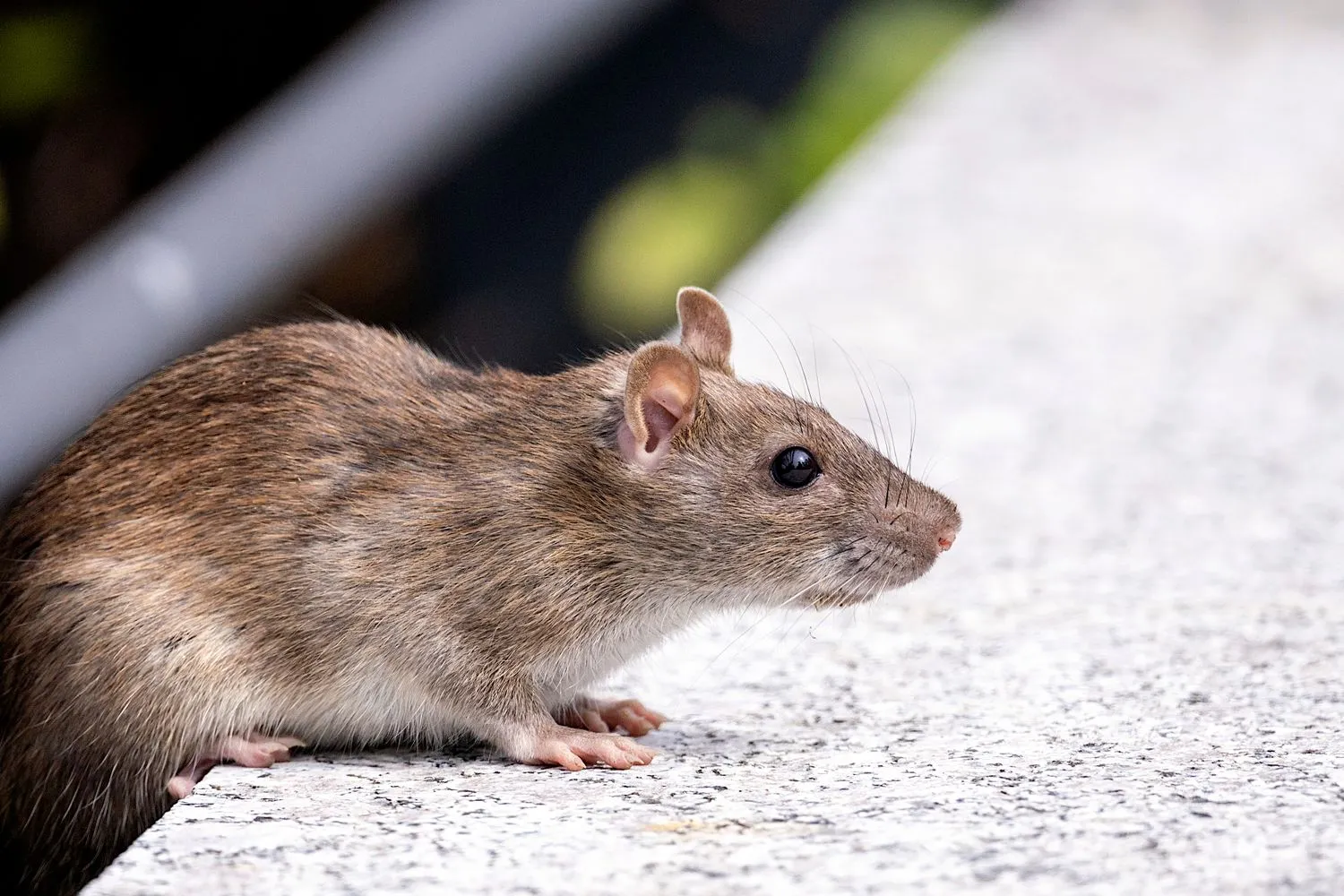
Fast movement across a ceiling after dark can fit roof rat activity. Roof rats are skilled climbers that use trees, fences, vines, roof edges, and attic framing. The sound may move from one side of the building to another as the rat travels between an entry point and nesting area.
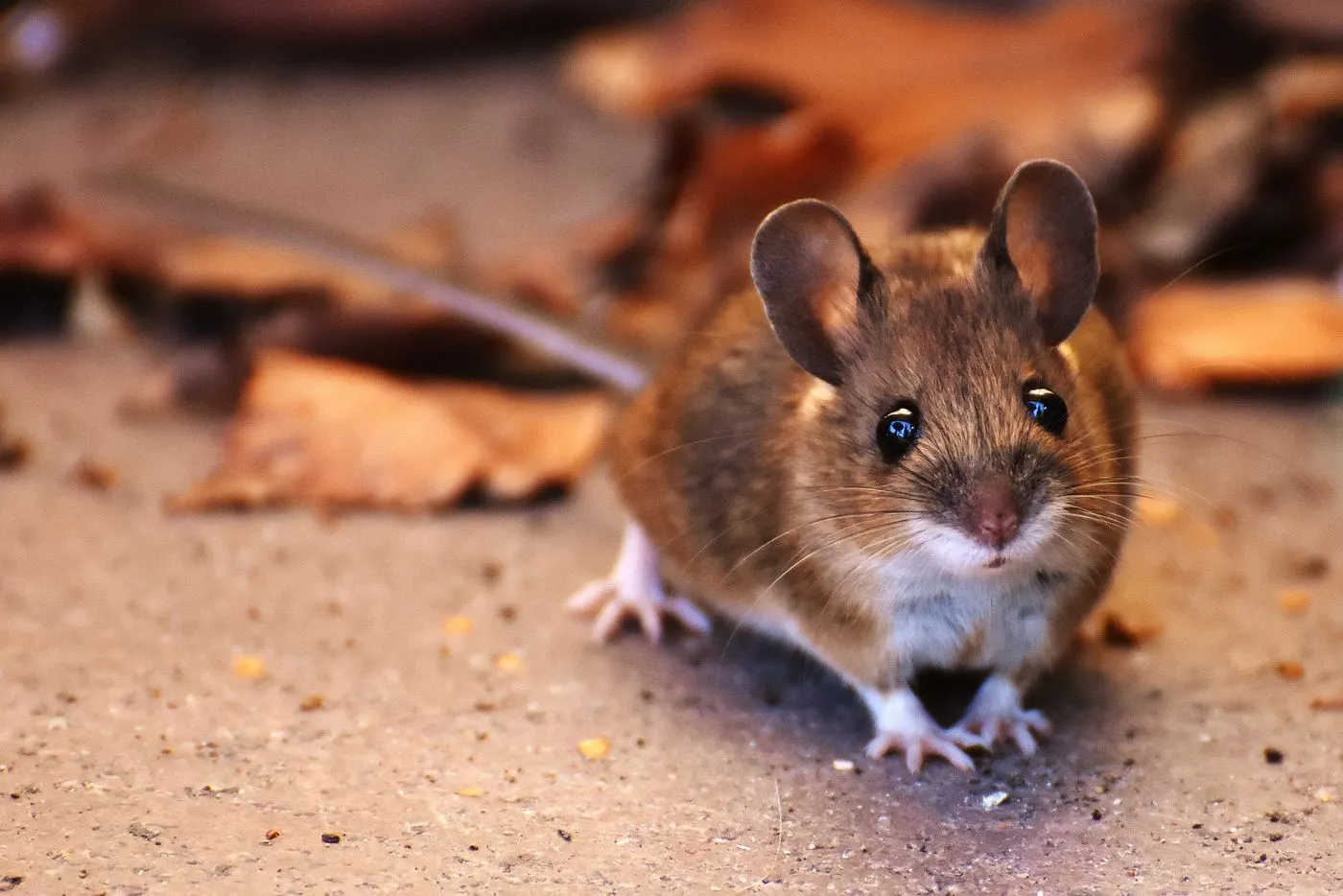
Mice can create lighter, shorter sounds inside wall spaces or near cabinets. A mouse route may stay closer to food and cover. Sound alone cannot confirm the species, but speed and location can show where to inspect first.
Scratching in one place can mean nesting or access work
Repeated scratching in a fixed spot can occur when an animal works at nesting material, moves through a tight opening, or explores the same surface. Note whether the sound sits near an outside wall, roof corner, bathroom vent, or utility line.
Do not cut a hole into the ceiling based only on a sound. Electrical lines, plumbing, ducts, and structural parts can sit above the drywall. Start with safe attic access or an outside inspection of the matching building area.
Chewing and tapping need close attention
Short, repeated chewing can involve wood, stored items, duct material, or wire covers. Keep away from any exposed or damaged wire. A qualified electrician should inspect electrical damage after the animal access is controlled.
Tapping can be less clear. A loose vent flap, branch touching the roof, or cooling building material can make a repeating sound. Compare the sound with wind, temperature, and exact timing. An animal sound often changes location, stops when disturbed, or appears with droppings and gnawing.
A thump does not always mean a large animal
Attic framing can make a small animal sound heavier than expected. A jump from one beam to another can create a clear thump. An object rolling on a ceiling surface can create the same effect.
Use the full pattern. A thump followed by quick running supports animal movement. One thump during a temperature change with no other evidence may come from the building. Repeated heavy movement at dawn or daytime can point to wildlife other than rats or mice and may require a wildlife service.
Check for matching evidence in daylight
Use safe access only. Do not walk on exposed ceiling drywall or reach into hidden spaces. From a stable attic platform or access opening, look for:
- droppings on beams, insulation, or stored items
- dark rub marks beside narrow edges
- flattened trails across loose insulation
- shredded paper, plant fiber, or insulation gathered as a nest
- gnawing on boxes, wood, ducts, or wire covers
- damaged vent screens or daylight at a building gap
Fresh evidence has more value than old evidence. A clean area that receives new droppings shows current travel. Do not sweep or vacuum waste to test this. Follow safe wet-cleaning instructions.
Match the indoor sound with the outside wall
Stand outside below the part of the attic where the sound begins. Look for branches, vines, fence lines, block walls, roof-to-wall joints, vents, soffit corners, fascia damage, and utility lines. A route does not need to be obvious from the yard.
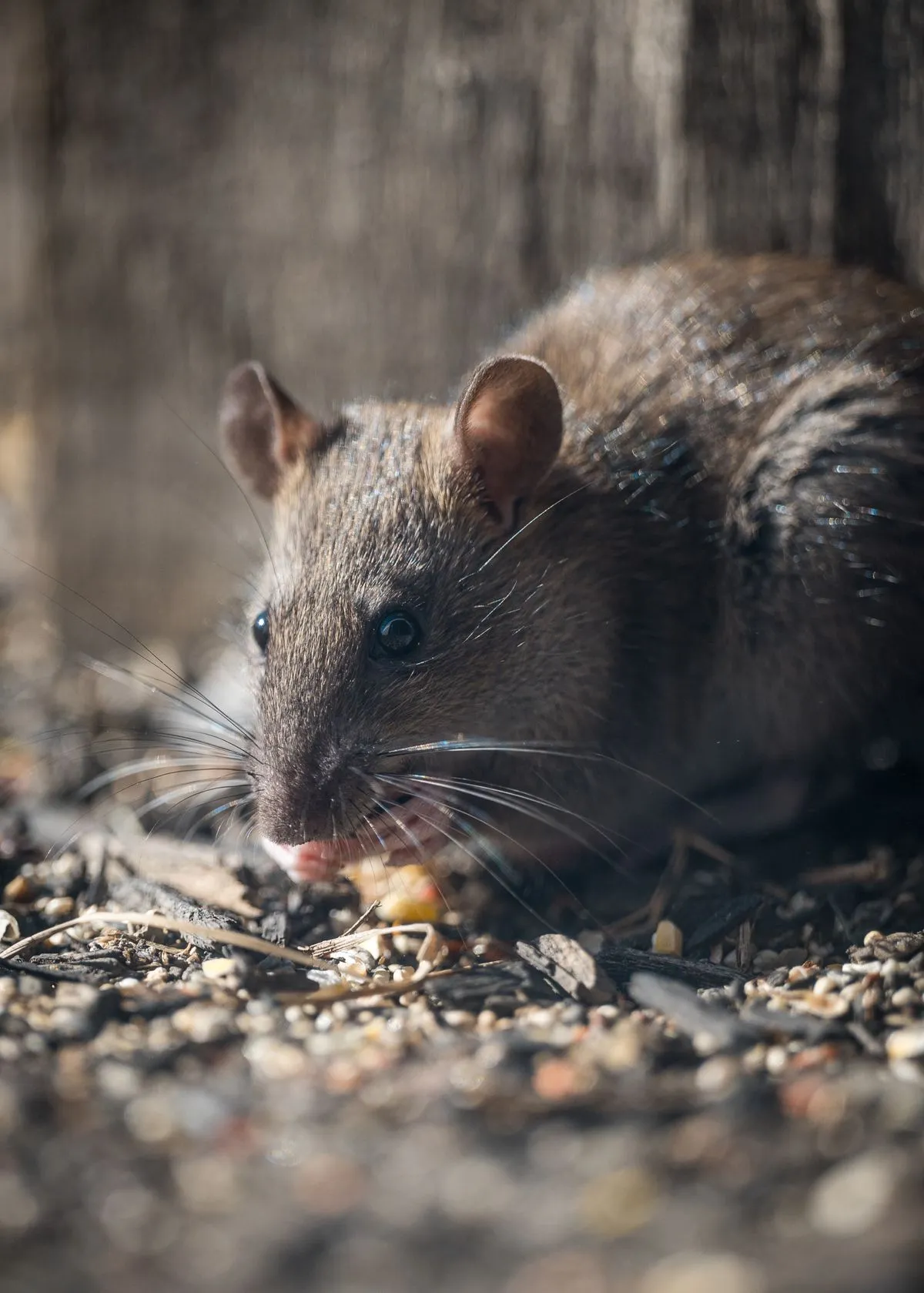
Roof rats can enter through upper gaps hidden by tile, flashing, or trim. House mice can enter lower areas and move into wall spaces. Norway rats tend to stay near the ground, but a low entry can still lead to sound inside a wall or lower ceiling.
The Centers for Disease Control and Prevention sealing guide lists attics, rafters, gables, eaves, soffits, vents, doors, and utility openings as areas to check.
Clean droppings with the right method
Do not dry sweep or vacuum rodent urine, droppings, or nesting material. The CDC cleanup guide says to wear gloves, wet the material with disinfectant, wait for the required contact time, and wipe it up.
Heavy attic contamination needs more protective equipment and care than a small amount of waste on a hard surface. Ask for trained help when the area is widespread, hard to reach, or mixed through insulation.
Know when to request an inspection
Request an attic inspection when sounds repeat for several nights, move along the same route, appear with droppings or damage, or involve a roof area you cannot reach safely. Call sooner for activity in living space, exposed wire damage, a strong decay odor, or an animal trapped inside a room.
Bring the sound record to the visit. The notes can shorten the search by showing the most active time, room, ceiling edge, and direction of travel. That evidence helps the inspector check the correct attic zone and outside building area first.
- #attic sounds
- #roof rat signs
- #night activity
- #inspection notes